Vispring Signatory Superb
Experience lasting loft, breathable comfort, and precise support with independent pocket springs and premium natural fillings for a cooler, softer, more resilient sleep surface.
An editorial, non-commercial examination of organic mattress construction, certifications, and practical decision-making for sleepers of all stripes. Drawing on history, science, and consumer-advocacy sensibilities, this guide aims to illuminate without hype.
The innerspring mattress has long stood as a benchmark of durability and support within the sleep system. Yet the rise of organic materials and third-party certifications has added a new layer of scrutiny for the conscientious consumer. This article embraces a neutral, information-first stance. We explore what “organic mattress” means in practice, why certifications matter, and how to compare products when the marketing gloss is stripped away.
At its core, choosing an organic mattress is less about chasing a trend and more about aligning materials, certifications, and sleep needs. The choices you make should correspond to your sleeping position, sensitivity to volatile compounds, expectations for durability, and environmental considerations. The goal here is to provide a framework—an editorial map, if you will—that helps you navigate a marketplace that can feel crowded, noisy, and occasionally confusing.
Certifications are not just badges; they are signals about how a mattress is made, what it contains, and how it is tested. Three certifications frequently referenced in the organic bedding world are GOTS (Global Organic Textile Standard), GOLS (Global Organic Latex Standard), and OEKO-TEX. Each serves a distinct purpose, and together they form a composite portrait of a product’s organic integrity.
It is important to note that a mattress may use components that are certified, while others are not. A product with robust GOTS-certified fabric and GOLS-certified latex may still include non-certified components elsewhere in the sleep surface. The practical takeaway is to read the certification scope carefully: what exactly is certified, at which stage of production, and for which components.
Organic materials promise fewer synthetic additives, lower chemical off-gassing, and a generally gentler production footprint. Yet durability remains a critical question. How do organic latex, organic cotton, wool, or innovative natural hybrids perform over time? Here are some guiding contrasts you will encounter:
In practical terms, the consumer should seek transparency on the shop floor: ask about fiber sources, the chain of custody for organic components, and the specific certifications that apply to each mattress section. A well-documented materials list paired with credible third-party verifications can help separate product myth from product reality.
To equip readers with a neutral decision-making framework, here is a concise buyer’s guide that can be applied to crib mattresses, adult models, and hybrids alike. This checklist is designed to be non-brand-specific and adaptable to various comfort needs.
The goal is to empower readers to compare apples to apples, to recognize where marketing ends and material science begins, and to make room for personal comfort preferences without surrendering a commitment to organic integrity.
This guide adheres to an editorial philosophy that foregrounds trust over hype. It aims to present clear definitions, credible references, and a structure that invites readers to inquire, verify, and decide. In a marketplace that can blur the lines between product claims and scientific claims, the duty of care falls to the reader—and to writers who refuse easy narratives in favor of rigor. The tone here is calm, precise, and humane, acknowledging that sleep is a deeply personal, often ritual, pursuit.
To give texture to this discussion, this section presents three influential voices—from different eras—who have contributed to how we think about sleep, materials, and the ethics of consumer choices.
In the late 1700s and into the 1800s, bedmakers and upholsterers framed sleep as a craft—an economy of materials, labor, and end-user experience. The emphasis was on durable construction and the intuitive sense of comfort that came from tactile materials. While the science of sleep was not codified as it is today, the artisan ethos remains with us: quality over spectacle, evidence of care in every seam, and a belief that a good night’s sleep is a just claim on a family’s time and health.
During the mid-20th century, the field of sleep science began to cohere, linking posture, spinal alignment, and tissue recovery to mattress design. The period witnessed a quiet revolution in materials—from early innerspring systems to more specialized foams and natural fillings. Auguste’s contemporary would emphasize empirical observation, standardized testing, and the emergence of certifications as tools to make sense of marketing noise.
Today, a growing chorus questions not just the performance of a mattress but its entire lifecycle—from raw material sourcing to end-of-life disposal. The contemporary critic insists on transparency, verified organic content, and a design that respects both human health and planetary stewardship. This voice anchors the neutral buyer’s guide in a broader commitment to responsibility, not merely a passing preference for “green” credentials.
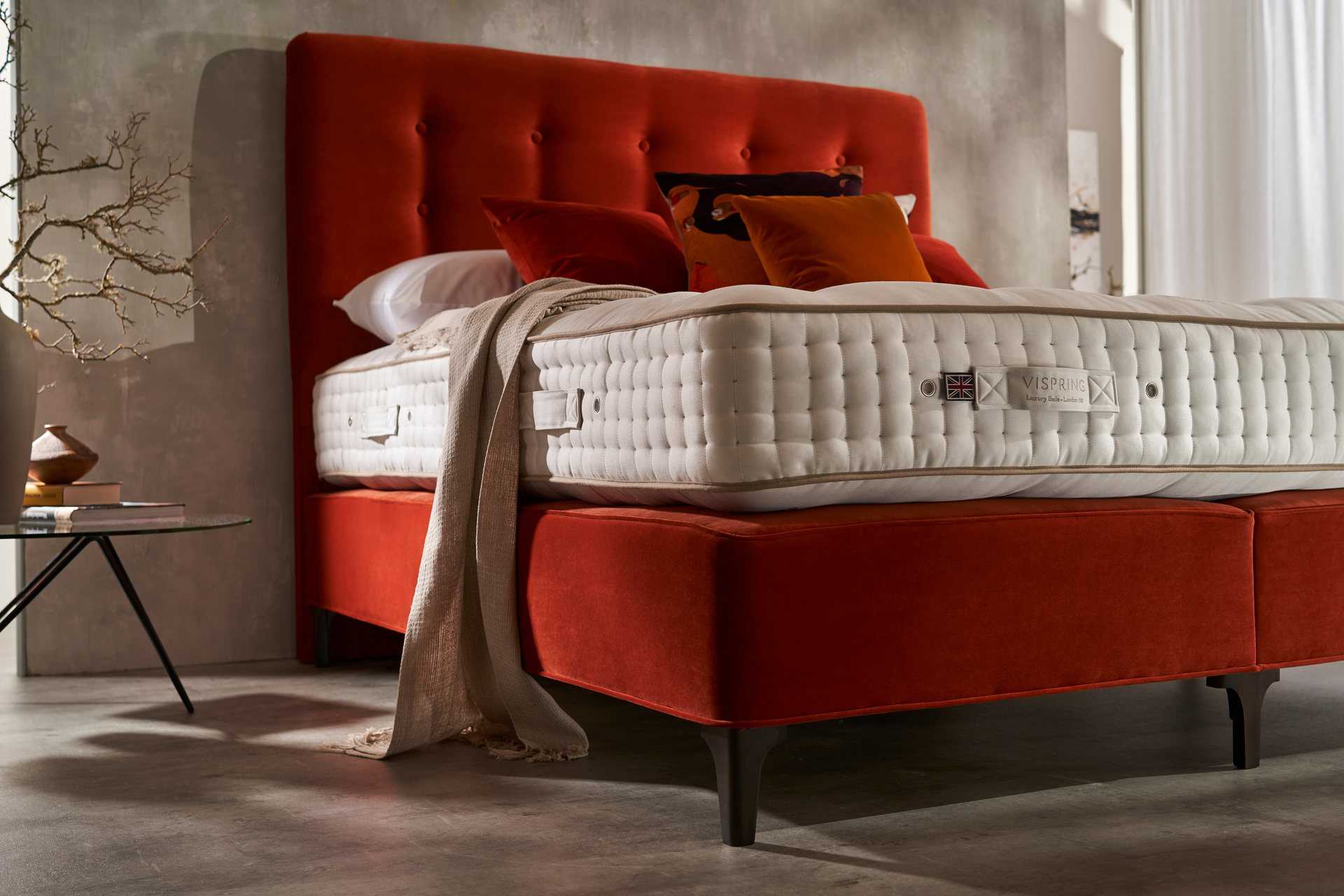
To illustrate the complexity and luxury that can exist within an organic framework, consider a high-end option such as the Vispring Signatory Superb. This model showcases a two-layer spring architecture and meticulously curated natural fillings, including hand-nested coils and wool blends, designed to balance support, breathability, and microclimate conditioning. While it is a non-organic example in terms of certifications, it serves as a reference point for understanding how premium construction informs expectations for durability, comfort, and longevity. For readers seeking an informed baseline, large-scale brands often disclose the material chain in detail, offering a case study in how to approach certification transparency in a real product.
Note: The practical takeaway for our neutral buyer is to compare such luxury examples against organic alternatives in terms of core construction, certification coverage of materials, and a transparent materials list that explains where certifications apply and where they do not.
A benchmark of hand-crafted luxury featuring a layered spring architecture, natural fillings, and meticulous edge support. While not organic-certified in this context, it demonstrates the level of materials craftsmanship that informs all modern mattress design and raises the bar for clarity in material disclosures.
Price: $21,000.00 (example reference)
The inclusion of this product as a reference point is to illustrate how premium construction can coexist with a broader conversation about materials provenance, certifications, and consumer transparency. As you compare organic options, you may find that high-end non-organic exemplars set a standard for craftsmanship and comfort, while organic offerings foreground health, environmental accountability, and traceability.
Note: The product reference Vispring Signatory Superb is included to illustrate construction complexity and does not imply endorsement. For ethically sourced organic options, consult the materials lists and certifications described above. All content strives for accessibility and clarity, with a focus on practical, non-commercial guidance.